
1. Introduction
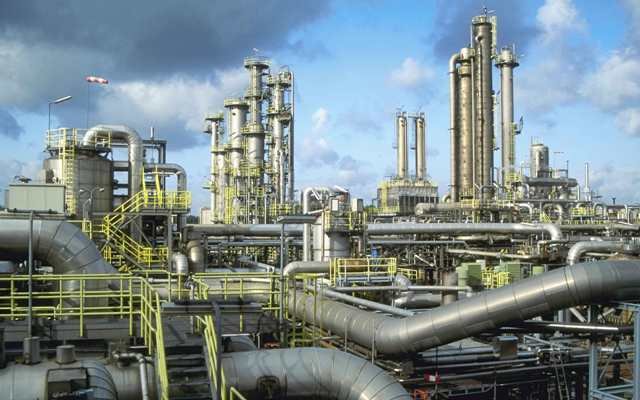
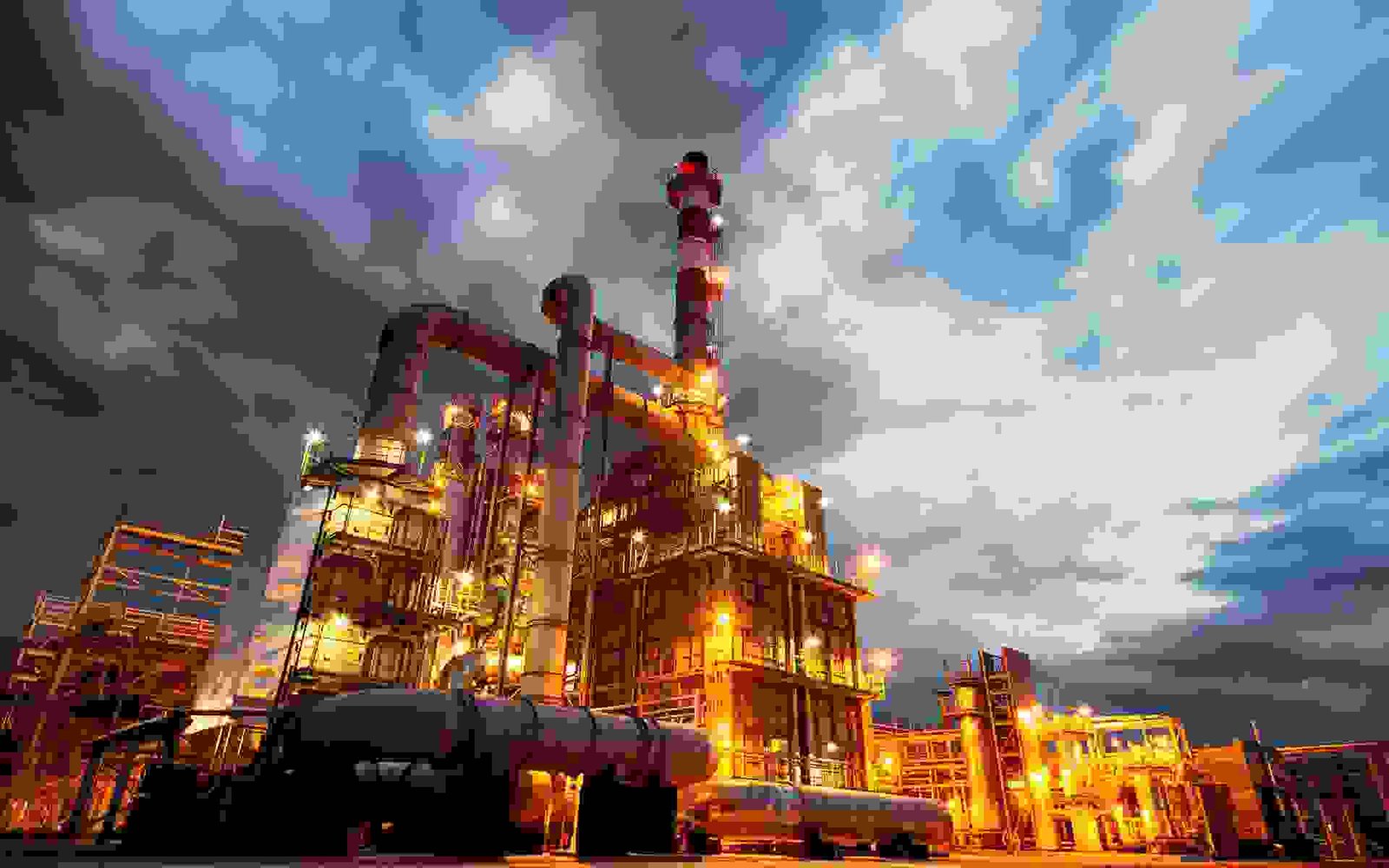
Oil refineries are complex industrial facilities designed to convert crude oil into valuable petroleum products such as gasoline, diesel, jet fuel, lubricants, and petrochemical feedstocks. The oil refinery process involves a series of physical and chemical steps that separate, transform, and blend hydrocarbons to meet market specifications. Understanding the step-by-step flow of crude oil refining helps engineers, operators, and investors appreciate the complexity and efficiency of modern refining operations.
2. What is Crude Oil Refining?
Crude oil refining is the process of separating crude oil into its component fractions and converting them into usable products. Crude oil is a mixture of hydrocarbons, sulfur compounds, nitrogen compounds, metals, and salts. The refining process removes impurities and adjusts molecular structures to produce clean, market-ready fuels and other products.
3. Step-by-Step Oil Refinery Process Flow
Step 1: Crude Oil Reception and Storage
-
Description: Crude oil arrives at the refinery via pipelines, ships, or railcars. It is stored in large tanks before processing.
-
Key Considerations:
-
Storage tanks must be designed to minimize evaporation losses.
-
Crude is often blended to achieve desired processing characteristics.
-
Step 2: Desalting
-
Purpose: Remove salts, water, and suspended solids that can cause corrosion and fouling.
-
Process:
-
Crude oil is mixed with wash water.
-
Electrostatic fields help separate water and salt from oil.
-
-
Importance: Prevents corrosion in downstream units and catalyst deactivation.
Step 3: Atmospheric Distillation
-
Function: Separate crude oil into fractions based on boiling points.
-
Process:
-
Products:
-
Top of column: Gases, light naphtha.
-
Middle: Kerosene, diesel.
-
Bottom: Atmospheric residue.
-
Step 4: Vacuum Distillation
-
Purpose: Process the heavy atmospheric residue under reduced pressure to avoid thermal cracking.
-
Process:
-
Vacuum lowers the boiling point, allowing separation without high temperatures.
-
-
Products:
-
Vacuum gas oil (feedstock for cracking units).
-
Vacuum residue (used for asphalt or further processing).
-
Step 5: Conversion Processes
These processes change the size and structure of hydrocarbon molecules to increase the yield of high-value products.
5.1 Catalytic Cracking
-
Breaks down heavy gas oils into lighter products like gasoline and diesel using a catalyst.
5.2 Hydrocracking
-
Similar to catalytic cracking but uses hydrogen to improve product quality and reduce sulfur content.
5.3 Coking
-
Thermal process that breaks down heavy residues into lighter products and petroleum coke.
Step 6: Treating and Reforming Processes
These processes improve fuel quality by removing impurities and adjusting octane levels.
6.1 Hydrotreating
-
Uses hydrogen to remove sulfur, nitrogen, and metals.
6.2 Catalytic Reforming
-
Converts low-octane naphtha into high-octane reformate for gasoline blending.
6.3 Isomerization
-
Rearranges molecules to improve octane without increasing aromatic content.
Step 7: Blending
-
Purpose: Combine different streams to meet product specifications for fuels.
-
Example:
-
Gasoline is blended from reformate, cracked gasoline, and butane.
-
Diesel is blended from straight-run diesel, hydrotreated diesel, and additives.
-
Step 8: Storage and Distribution
-
Finished products are stored in tanks before being sent to markets via pipelines, trucks, or ships.
-
Product quality is tested continuously to meet regulations.
4. Supporting Systems in a Refinery
-
Utilities: Steam, electricity, cooling water.
-
Environmental Units:
-
Sulfur recovery units (SRU) for H₂S removal.
-
Wastewater treatment plants.
-
Flare systems for safe gas disposal.
-
5. Environmental and Safety Considerations
-
Emission Control: Install scrubbers and low-NOx burners to reduce air pollution.
-
Energy Efficiency: Use heat exchangers to recover heat from process streams.
-
Safety Systems: Fire suppression, gas detection, and emergency shutdown systems are essential for safe operation.
6. Conclusion
The oil refinery process is a carefully coordinated sequence of steps that transforms raw crude oil into essential products for modern life. From desalting and distillation to conversion, treating, and blending, each stage plays a crucial role in maximizing efficiency, product quality, and environmental compliance. As global energy markets evolve, refiners are investing in more advanced and sustainable refining technologies to meet future demands.