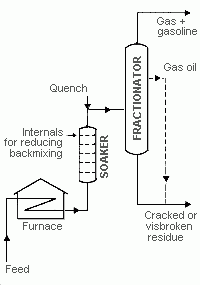
Oil Refinery Process Flow Explained Step-by-Step
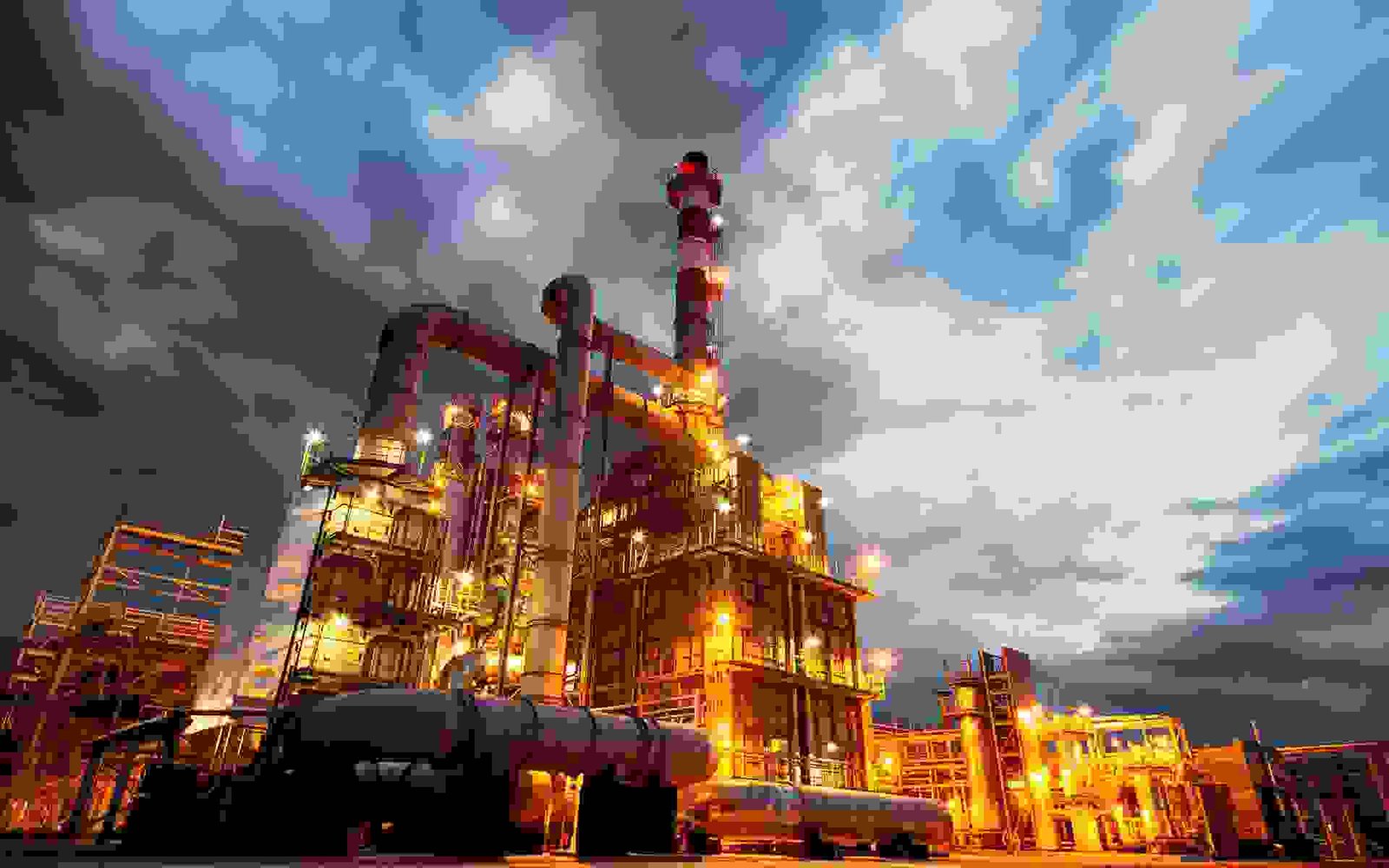
Oil Refinery

Oil Refinery Process Flow Explained Step-by-Step 1. Introduction Oil refineries are complex industrial facilities designed to convert crude oil into valuable petroleum products such as gasoline, diesel, jet fuel, lubricants, and petrochemical feedstocks. The oil refinery process involves a series of physical and chemical steps that separate, transform, and blend hydrocarbons to meet market specifications. Understanding the step-by-step flow of crude oil refining helps engineers, operators, and investors appreciate the complexity and efficiency of modern refining operations. 2. What is Crude Oil Refining? Crude oil refining is the process of…
Read More

What is Steam Cracking / Pyrolysis?

Steam cracking of naphtha

What is Steam Cracking? by: Souad LOUSDAD Alongside with the “Conversion Processes “and the “thermal cracking”, there is the “steam cracking” or “Pyrolysis”. Hydrocarbon steam cracking is one of the most important processes in the petrochemical industry, as it is able to produce highly valuable olefins such as ethylene, propylene and butadiene from lower value feedstocks, which usually have fossil fuel origin and range from gaseous feedstocks like ethane and propane, to liquid, heavier feedstocks, such as naphtha, gas oil and gas condensates. From the mentioned feedstocks, naphtha is the…

Read More

What is Vaccum Distillation?

Vaccum Distillation Written By: Souad LOUSDAD The next step in the process of crude oil separation is the vacuum distillation of the atmospheric residue that was drawn off from the bottom of the atmospheric column. Let’s start with some simple questions: Why is it called vacuum fractioning? What is the main advantage of it? And what is the difference between the atmospheric and the vaccum fractionation? First of all; vacuum is a space entirely devoid of matter. In practice, vacuum is referred to when the air pressure in an area…

Read More

what is Atmospheric Distillation?

Atmospheric Distillation Written By: Souad LOUSDAD We have already mentioned « Atmospheric Distillation” in the previous article An Introduction to Crude Oil Refining we said that it ranges with the “Separation Processes” as the first process the crude oil goes through. Before we dive in the details, let’s start with simple questions to clarify the global idea: Why is the “Atmospheric Distillation” the first in the whole refinery process? Can we for example place it in the middle? Can we not consider it once in a while, maybe? Well, “Atmospheric Distillation”…

Read More

An introduction to Crude Oil Refining

refinery

What is Crude Oil Refining? Written By: Souad LOUSDAD Do you ever stop on the highway to get gas and ask yourself where does it come from? Or buy a plastic cup of coffee and wonder how did it end up this way? Well, the gas does not come up from the ground this way nor the plastic cup drops from the machine in that particular shape. Actually, the primary resource is called “Crude Oil” or simply “Petroleum”. Crude oil, also known as black gold is a thick dark brown…

Read More

Oil Refinery Processes

refinery

  Process Objective: To distill and separate valuable distillates (naphtha, kerosene,diesel) and atmospheric gas oil (AGO) from the crude feedstock. Primary Process Technique: Complex distillation Process steps: –Preheat the crude oil feed utilizing recovered heat from the product streams –Desalt and dehydrate the crude using electrostatic enhanced liquid/liquid separation (Desalter) –Heat the crude to the desired temperature using fired heaters –Flash the crude in the atmospheric distillation column –Utilize pumparoundcooling loops to create internal liquid reflux –Product draws are on the top, sides, and bottom. Typical Yields and Dispositions: product…

Read More